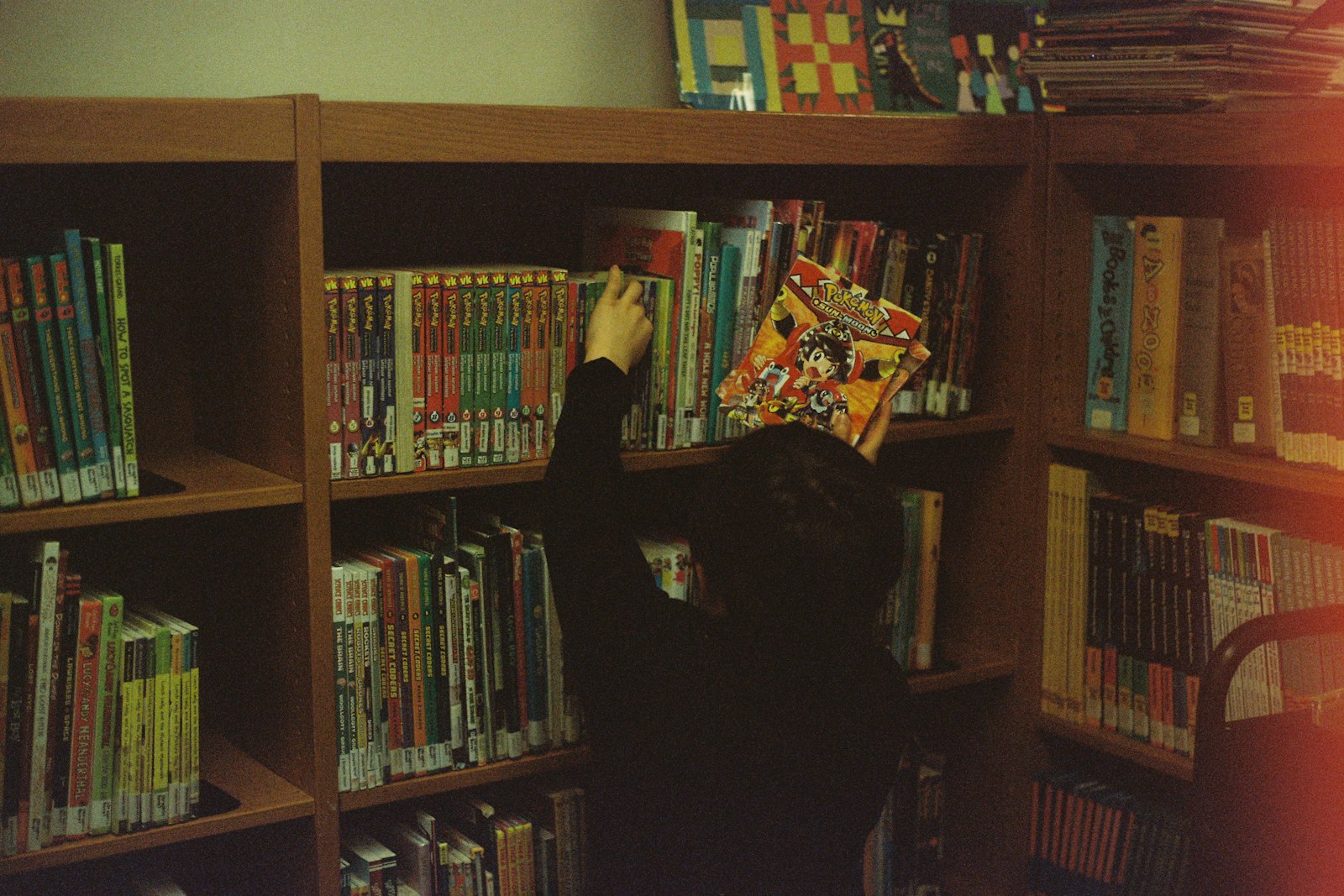
Extra help doesn’t have to cost money. Some of the best learning resources are free, and many come from libraries, museums and public institutions.
Quick takeaways
- Your public library card can unlock free e-books, audiobooks and online databases, and many libraries offer homework help.
- Khan Academy is a nonprofit offering free practice and video lessons in math, science and other subjects.
- PBS LearningMedia, NASA, the Smithsonian and the Library of Congress publish free educational materials.
- Check that a resource matches your child’s grade and what their class is covering.
- Free doesn’t always mean ad-free; review a site’s privacy policy, especially for children under 13.
When a child needs extra practice, a different explanation or something interesting to explore, it’s easy to assume you’ll need a paid app or a tutor. In fact, some of the best resources are free. Here’s where to start.
Start with your public library
A library card is one of the most valuable free learning tools. Many public libraries offer:
- E-books and audiobooks you can borrow from home.
- Online databases for research projects, often with encyclopedias and newspaper archives.
- Homework help, sometimes including live online tutoring.
- Learning programs like reading challenges, coding clubs and STEM workshops.
Library cards are generally free for local residents. Ask a librarian what your library offers online; many families don’t realize how much is available.
Free online learning sites
- Khan Academy: a nonprofit offering free practice exercises and video lessons, especially strong in math, from early grades to calculus, and in science.
- PBS LearningMedia: free videos, interactive lessons and activities from public television, searchable by grade and subject.
- NASA: free STEM activities, images and videos for students of different ages.
- Smithsonian Learning Lab: free access to resources from the Smithsonian’s museums and research centers.
- Library of Congress: primary sources such as historic photos, maps and documents, with materials for teachers and students.
Helpful tip
Ask your child’s teacher which topics are coming up this month, then look for a short video or activity on the same topic. Previewing a topic at home can make the lesson easier to follow.
Match resources to the class
Extra resources help most when they line up with what your child is learning. Check:
- The grade level of the material.
- Whether it uses the same methods the class uses, especially in math.
- That it’s current, particularly for science and history.
If you’re not sure, ask the teacher which resources they recommend.
Check privacy and ads
Free sites aren’t always free of ads or data collection. Before your child signs up:
- See who runs the site and read its privacy policy.
- For children under 13, the FTC explains that sites and apps covered by the Children’s Online Privacy Protection Act (COPPA) must get a parent’s consent before collecting a child’s personal information.
- Use school-provided accounts where possible.
Our guide to online safety for students covers privacy and passwords in more detail.
Make learning part of everyday life
Not all learning happens online. Cooking teaches fractions, grocery shopping teaches budgeting, and a library visit can spark a new interest. For balancing screens with everything else, see our guide to family screen time.
Parents and students ask
Do I need to pay for a library card?
Library cards are generally free for residents of the area a public library serves. Policies vary, so check with your local library.
How do I know a learning website is trustworthy?
Look for who runs it, such as a school district, museum, public broadcaster, government agency or established nonprofit. Check that content is current and that the site explains how it uses children’s data.
Can free resources replace a tutor?
For many students, free practice and videos are enough for extra support. If a child is struggling over time, talk to their teacher about what kind of help would work best.
Are there free resources for kids learning English?
Many libraries offer bilingual books and language-learning resources, and several educational sites provide content in Spanish and other languages.
This guide is general information for families. Follow your school’s policies, and talk to your child’s teacher, school counselor or pediatrician about your child’s specific needs.