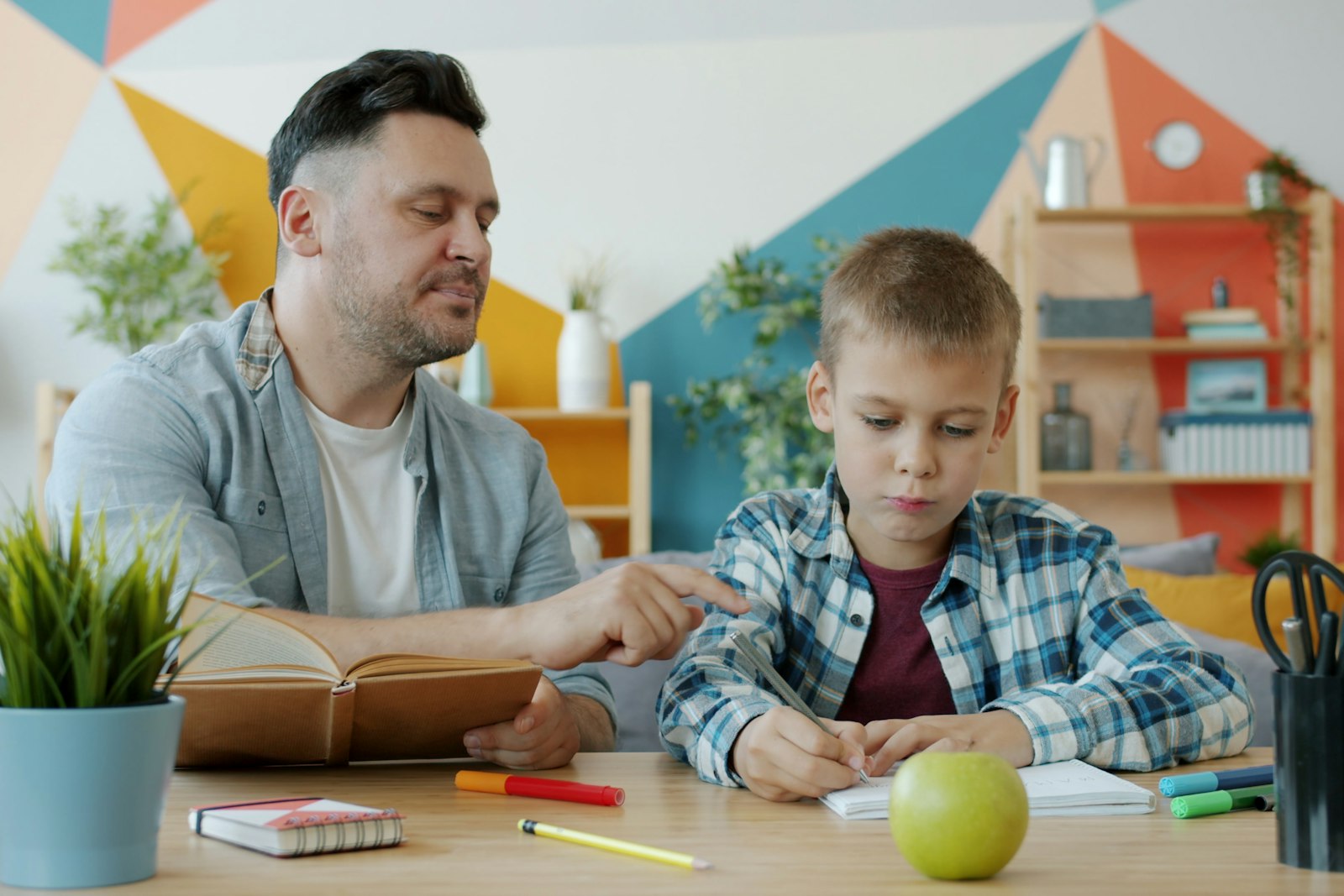
Online school asks more of parents than in-person school, especially with younger children. The goal is support, not a second full-time job.
Quick takeaways
- Younger children need more hands-on help; aim to build independence gradually as they grow.
- Short daily check-ins on what’s due and how lessons went work better than long, stressful catch-up sessions.
- Learn the school’s platform yourself so you can see assignments, grades and messages.
- Contact the teacher early if your child is struggling, rather than waiting for report cards.
- If your child has an IEP or 504 plan, make sure you know how supports are delivered online.
When school moves online, parents often find themselves acting as part-time teacher, IT support and timekeeper. You don’t need to be an expert in every subject. What helps most is structure, steady encouragement and knowing when to ask the school for help.
Your role depends on your child’s age
- Elementary school: younger children usually need an adult nearby to help log in, stay on task and manage materials.
- Middle school: kids can handle more on their own but still need help with organization and deadlines.
- High school: students should manage most of their work independently, with parents checking in and helping them plan.
Whatever the age, the aim is to build independence step by step.
Set up the basics
- A study space with the right equipment. See our guide to setting up a home learning space.
- A daily routine with consistent start times, breaks and bedtime. Our guide to building a daily routine explains how.
- Access to the school platform for you as well as your child, so you can see assignments, grades and messages.
Check in, don’t hover
Short, regular check-ins work better than constant supervision:
- Morning: what’s on today? Any live lessons or deadlines?
- Midday: how is it going? Anything stuck?
- Evening: what got done, and what’s coming up tomorrow?
Ask open questions, like “What was the most interesting thing you learned?” rather than “Did you do your work?”
Helpful tip
Keep a shared weekly checklist of assignments where both you and your child can tick things off. It makes progress visible and reduces nagging.
Help with learning, not the answers
When your child gets stuck:
- Ask them to explain what the task is asking.
- Look back at the lesson materials or notes together.
- Help them break the task into smaller steps.
- If they’re still stuck, encourage them to ask the teacher, a valuable skill in itself.
Work with the school
Teachers want to know early if something isn’t working. Reach out if your child is falling behind, confused by the platform or struggling with motivation. Our guide to talking with online teachers covers how to make those conversations productive.
If your child has an IEP or a 504 plan, ask the school how services, accommodations and progress monitoring will work online, and who to contact with concerns.
Look after the whole child
Online school can feel isolating. Make time for friends, physical activity and time outdoors, and watch for signs of stress or withdrawal. If you’re worried about your child’s wellbeing, talk to their teacher, school counselor or pediatrician.
Look after yourself, too
Supporting online learning takes energy. Share responsibilities with another adult where possible, connect with other parents in the same program and remember that a good-enough routine you can keep up is better than a perfect one you can’t.
Parents and students ask
How much should I help with schoolwork?
Help your child understand what to do and how to get started, but let them do the work. If you find yourself doing large parts of assignments, talk to the teacher about the right level of support.
What if I work during the day?
Set up the day’s plan in the morning, check in at lunch or by message, and review progress in the evening. Ask the school about flexible options and whether recorded lessons are available.
How do I keep my child motivated?
Celebrate progress, give them choices where you can, such as the order of tasks, and connect learning to their interests. Social contact with classmates also helps, so look for clubs or meetups.
When should I worry?
Talk to the teacher or school counselor if your child is consistently missing work, seems withdrawn or anxious, or their grades drop over several weeks.
This guide is general information for families. Follow your school’s policies, and talk to your child’s teacher, school counselor or pediatrician about your child’s specific needs.