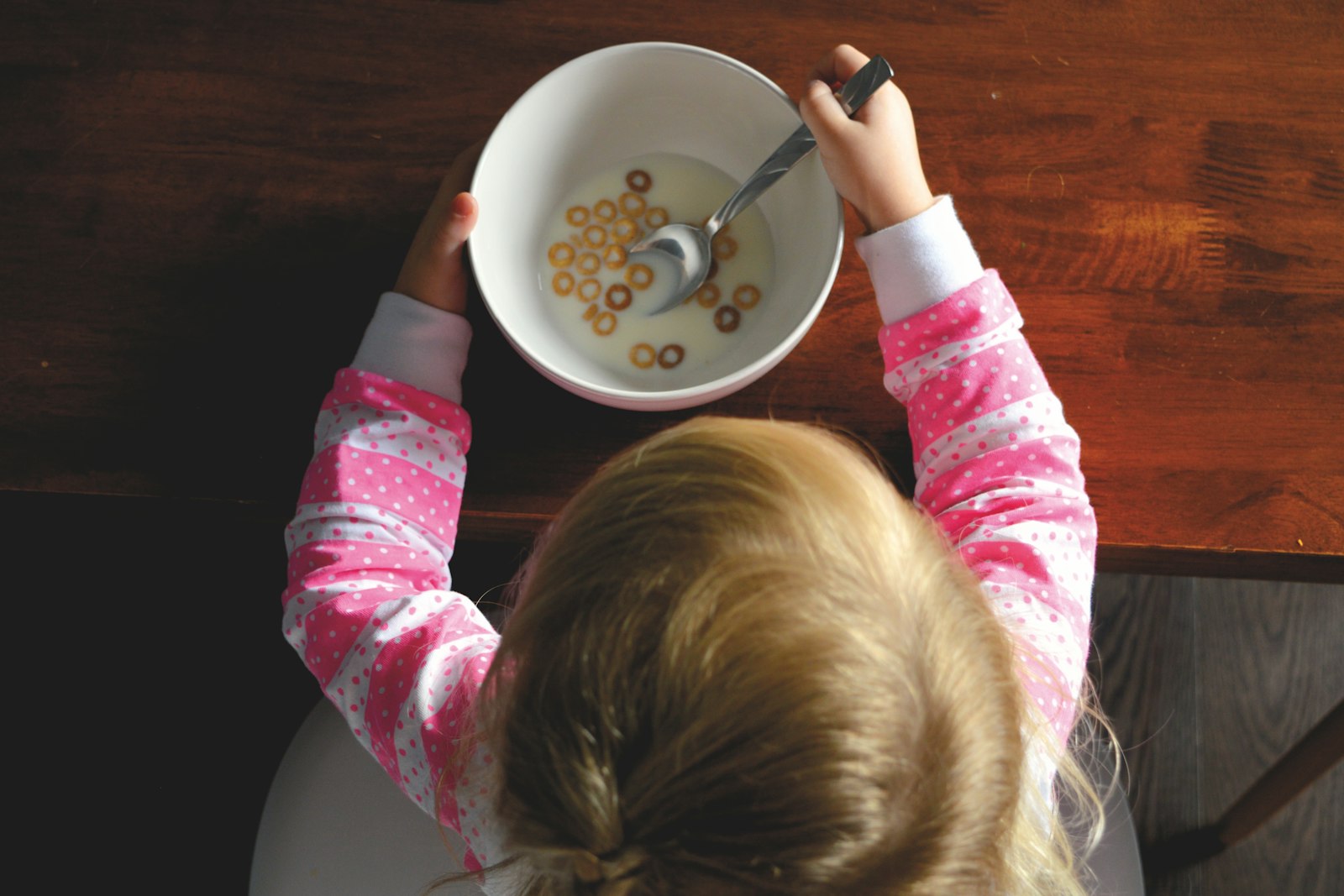
Without the school bell, the day can blur. A simple routine gives kids structure and gives parents fewer daily negotiations.
Quick takeaways
- Keep wake-up times, meals and bedtimes consistent on school days, just as they would be for in-person school.
- The CDC lists 9 to 12 hours of sleep a day for children aged 6 to 12 and 8 to 10 hours for teens aged 13 to 18.
- Build in short breaks between lessons, with time to move, eat and get outside.
- Post the day’s schedule where kids can see it, and let older students help plan it.
- End the school day with a clear finish, so evenings feel different from lesson time.
In-person school comes with built-in structure: the bus, the bell, recess, lunch. Online school removes most of those cues, which is why a home routine matters so much. A predictable day helps children concentrate, cuts down on arguments about what happens next and protects time for sleep, play and family.
Start the day the same way
- Wake up at a consistent time on school days.
- Get dressed and eat breakfast before logging on.
- Check the day’s plan together for a minute or two, especially with younger kids.
These small steps act like the commute to school: they separate home time from learning time.
Plan the school day
Start with the schedule from your child’s school or program, then fill in the gaps:
| Time block | What happens |
|---|---|
| Morning | Live lessons or the most demanding subjects, while attention is fresh |
| Breaks | 5 to 10 minutes between lessons to stand, stretch and get a drink |
| Midday | A proper lunch break, ideally with time outdoors |
| Afternoon | Independent work, reading and catch-up |
| End of day | Pack up, check tomorrow’s schedule and log off |
Post the schedule where everyone can see it. Picture charts work well for younger children; older students can use a planner or a calendar app.
Helpful tip
Mark the end of the school day clearly: close the laptop, tidy the study space and do something active. A clear finish keeps schoolwork from spilling into the whole evening.
Make room for movement
Kids need to move, and online school can mean hours of sitting. Plan short movement breaks between lessons, active play at lunch and time outdoors when the weather allows. Movement breaks can also help with focus during the next lesson.
Protect sleep
Sleep affects attention, mood and learning. The CDC lists these amounts of sleep per 24 hours, based on guidance from the American Academy of Sleep Medicine:
- Children aged 6 to 12: 9 to 12 hours
- Teens aged 13 to 18: 8 to 10 hours
Working back from wake-up time, set a consistent bedtime, and keep screens out of the last part of the evening where possible. Our guide to balancing screen time has ideas for screen-free evenings.
Adjust as you go
Routines aren’t meant to be rigid. If your child struggles every afternoon, try moving harder subjects to the morning. If mornings are rushed, prepare the night before. Review the plan every few weeks and involve your child in the changes.
Building on the routine
A routine works best alongside a good study space and strategies for staying engaged. See our guides to setting up a home learning space and staying focused in online classes.
Parents and students ask
Should kids get dressed for online school?
Many families find that getting dressed, even casually, helps kids shift into school mode. It’s one of the simplest signals that the school day has started.
How long should breaks be?
Follow your child’s school schedule first. Between lessons, even 5 to 10 minutes of moving around helps, and a longer lunch break with time outdoors can reset attention for the afternoon.
What if my child’s lessons are mostly self-paced?
Self-paced programs still benefit from a timetable. Set fixed blocks for each subject, with a set start time and breaks, so work doesn’t drift into the evening.
How do I handle a child who resists the routine?
Involve them in making the schedule, start with a few non-negotiables like start time and bedtime, and use a visual chart. Consistency over several weeks usually matters more than getting every detail right.
This guide is general information for families. Follow your school’s policies, and talk to your child’s teacher, school counselor or pediatrician about your child’s specific needs.